
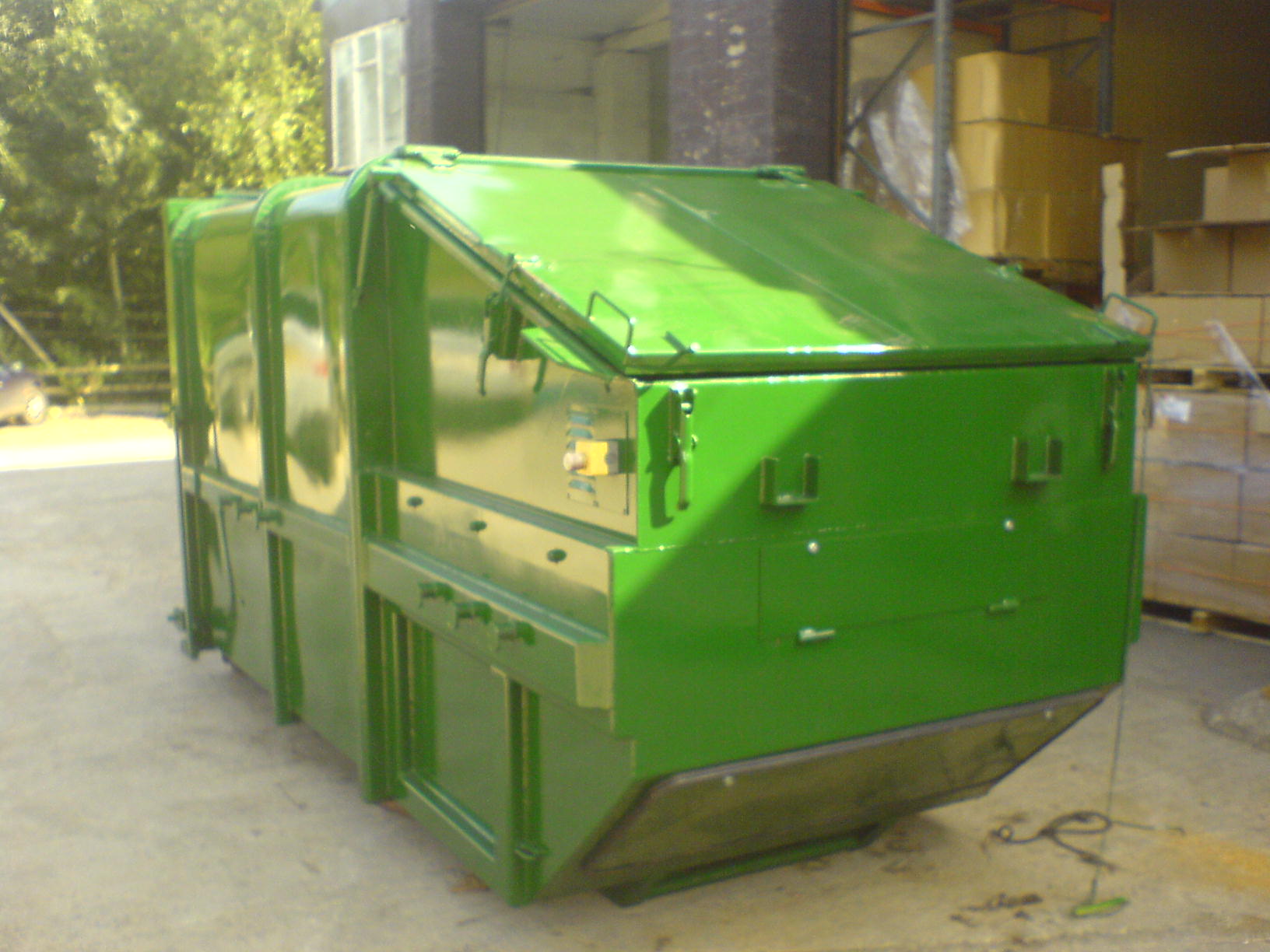
In today’s environmentally conscious world, efficient waste management solutions are crucial for residential and commercial settings. Waste compactors offer a practical solution to reduce the volume of waste, minimize landfill contributions, and streamline disposal processes. Whether you’re considering a waste compactor for your kitchen, business, or community, understanding the key factors can help you make an informed decision.
Understanding Waste Compactors
A waste compactor, also known as a trash compactor, is a device that compresses waste materials into smaller, more manageable volumes. This compression reduces the space required for storage and decreases the frequency of waste collection and disposal, thereby saving time and operational costs.
Benefits of Using a Waste Compactor
Investing in a waste compactor offers several advantages:
- Space Efficiency: By compressing waste, compactors reduce the volume of garbage, freeing up valuable space in homes or businesses.
- Cost Savings: Fewer waste collections mean lower disposal costs and reduced labour associated with waste management. This translates to significant cost savings, making waste compactors a smart investment for residential and commercial settings.
- Environmental Impact: Compact waste contributes less to landfills, promotes eco-friendly waste management practices, and significantly contributes to environmental sustainability. By reducing the volume of waste in landfills, you play a crucial role in preserving our planet for future generations.
- Hygiene and Odor Control: Compacted waste reduces exposure to pests and minimizes unpleasant odours.
Factors to Consider When Choosing a Waste Compactor
When selecting a waste compactor that best suits your needs, consider the following factors:
- Type of Waste: Identify the type and volume of waste generated to determine the appropriate compactor size and features. Residential compactors differ from industrial or commercial ones in capacity and functionality.
- Compactor Size and Capacity: Choose a compactor size that accommodates your waste volume without frequent emptying. For small kitchens, compact models are available, while large-scale operations may require industrial-grade compactors capable of handling significant quantities of waste daily.
- Features and Functions: Look for features like automatic cycling, quiet operation, odour management systems, and safety features like child locks or overload protection. Some advanced models offer touch-screen interfaces for ease of operation and monitoring.
- Installation Requirements: Consider the space availability and electrical requirements for installation. Compact models can typically fit under kitchen counters, while larger units may require dedicated space in utility rooms or loading docks. Professional installation ensures proper setup and adherence to safety standards.
- Maintenance and Service: Research the availability of service and repair providers in your area. Regular maintenance ensures optimal performance and longevity of the compactor. Check warranty options and service agreements manufacturers offer to minimize downtime and repair costs.
Choosing the Right Waste Compactor in the UK
In the UK, waste compactors are in wide use across various sectors, including hospitality, retail, healthcare, and residential areas. Here are specific considerations for choosing a waste compactor in the UK:
- Regulatory Compliance: Ensure the compactor meets the UK’s local regulations and waste management standards. Compliance with environmental guidelines is crucial for legal operation and sustainability. Manufacturers often provide certifications or compliance statements confirming adherence to relevant regulations.
- Energy Efficiency: Opt for energy-efficient models that reduce operational costs and environmental impact. Consider compactors with energy-saving features or certifications, such as Energy Star ratings. Automatic shut-off features and standby modes further enhance energy efficiency during periods of low usage.
- Service and Support: Select a compactor from reputable brands that offer reliable service and support. Prompt maintenance and repair services minimize downtime and ensure continuous operation. Consider the availability of spare parts and technical assistance to address potential issues swiftly.
- Long-Term Cost Considerations: Evaluate the total cost of ownership beyond the initial purchase price. Factor in operational expenses, including electricity consumption, maintenance, and potential repairs over the lifespan of the compactor. A well-maintained unit can offer significant savings and reliability over time.
Conclusion
Choosing the right waste compactor involves evaluating your waste management needs, considering environmental impact, operational efficiency, and cost-effectiveness. Whether for residential use, small businesses, or large-scale operations, a well-chosen waste compactor can significantly improve waste management practices, enhance space utilization, and contribute to sustainable living.