
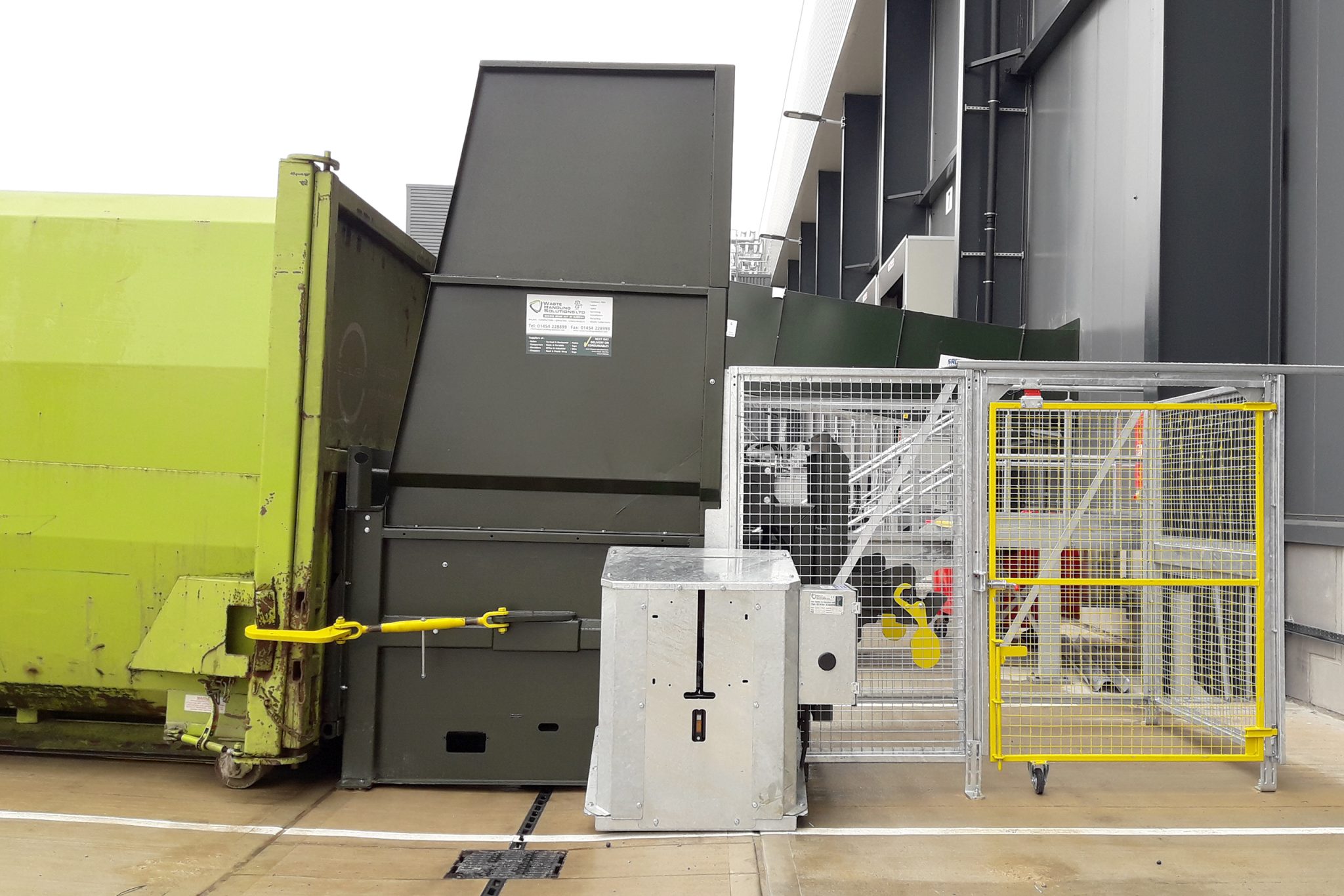
Ever wondered how trash compactors work? If you’re curious about the inner workings of a trash compactor, you’ve come to the right place. This article will explore everything from the trash compactor mechanism to troubleshooting common trash compactor problems. We’ll also delve into the benefits and safety precautions, ensuring you get the most out of this handy device. Let’s dive in!
The Trash Compactor Mechanism
A trash compactor is a brilliant device designed to reduce the volume of waste by compressing it into a smaller, more manageable size. The mechanism involves a few essential components:
- Motor: Powers the compactor, providing the force to crush the trash.
- Ram: The part that presses down on the waste, compacting it.
- Container: Holds the trash before and after compaction.
- Switches and Controls: Allow you to operate and control the compactor.
The motor drives the ram down into the container, applying significant pressure to the trash. This pressure crushes and compresses the waste, reducing its volume. Once compacted, the trash takes up much less space, making it easier to handle and dispose of.
How Does a Trash Compactor Crush Trash?
Understanding how a trash compactor crushes trash involves a bit of engineering magic. When you load the compactor, the motor activates and moves the ram. The ram exerts a force on the trash, pushing it against the container’s walls. The unit for measuring pressure is typically pounds per square inch (PSI), with most household compactors exerting around 2,000-5,000 PSI.
The result? Your rubbish is transformed into a compact block, making storing and disposing of it more straightforward. This process is efficient and reduces the frequency of taking out the bins.
How to Use a Trash Compactor Effectively
To get the most out of your trash compactor, follow these tips:
- Load It Correctly: Place heavier items at the bottom and lighter ones on top. Avoid overloading.
- Use Bags: Line the compactor with heavy-duty bags to keep it clean and make removing compacted trash easier.
- Regular Maintenance: Keep the compactor clean and check for mechanical issues regularly.
- Avoid Certain Items: Do not compact hazardous materials, glass, or anything that can damage the machine.
Using your compactor effectively ensures it operates smoothly and lasts longer.
Benefits of Using a Trash Compactor
There are several advantages to using a trash compactor:
- Space-Saving: Compacting trash reduces its volume, freeing up bin space.
- Cost-Efficiency: Fewer rubbish bags are needed, and you may save on waste collection fees.
- Environmental Impact: Less waste volume means fewer trips to the landfill, reducing your carbon footprint.
- Convenience: Less frequent trips to the bin and easier waste management.
Troubleshooting Common Trash Compactor Problems
Even the best machines can encounter issues. Here are some common problems and solutions:
- The Compactor Won’t Start: Check the power supply and plug the unit in. Inspect the switches and controls for any damage.
- Ram Stuck: If the ram doesn’t move, there might be an obstruction. Turn off the power and check for blockages.
- Unusual Noises: Strange sounds can indicate mechanical issues. Regular maintenance and lubrication can help prevent this.
- Odours: If your compactor smells, clean it thoroughly. Use deodorisers to keep it fresh.
Is a Trash Compactor Worth the Cost?
Investing in a trash compactor can be worthwhile for many households and businesses. Consider these factors:
- Usage Frequency: A compactor can be an excellent investment if you generate a lot of waste.
- Space: Compacting trash saves space in your bins and storage areas.
- Convenience: A compactor simplifies waste management, making it more efficient and less time-consuming.
Best Trash Compactors for Small Kitchens
If you have limited space, here are some top trash compactors for small kitchens:
- Built-In Compact Models: These fit seamlessly into your kitchen cabinets, saving space.
- Portable Units: Easily movable and ideal for small kitchens
- Under-Counter Models: These fit under the counter, out of sight and out of the way.
When choosing a compactor, consider its size, capacity, and features to find the best fit for your kitchen.
Safety Precautions When Using a Trash Compactor
Safety is paramount when using a trash compactor. Follow these precautions:
- Read the Manual: Familiarise yourself with the compactor’s instructions and safety guidelines.
- Keep Hands Clear: Never reach into the compactor while it’s operating.
- Avoid Compacting Hazardous Materials: Do not compact flammable, explosive, or toxic materials.
- Regular Inspections: Check for any wear and tear or mechanical issues regularly.
Eco-Friendly Alternatives to Trash Compactors
If a trash compactor doesn’t suit your needs, consider these eco-friendly alternatives:
- Recycling: Separate recyclable materials to reduce waste.
- Composting: Compost organic waste to create nutrient-rich soil.
- Reusable Containers: Use reusable bags and containers to minimise waste generation.
These alternatives can help you manage waste more sustainably.
Conclusion
Understanding how trash compactors work can help you decide whether one is right for you. This guide covers everything you need to know, from the trash compactor mechanism to troubleshooting common trash compactor problems. Whether you want to save space, reduce waste, or make your life easier, a trash compactor can be a valuable addition to your home or business. And remember, always prioritise safety and regular maintenance to keep your compactor running smoothly.