
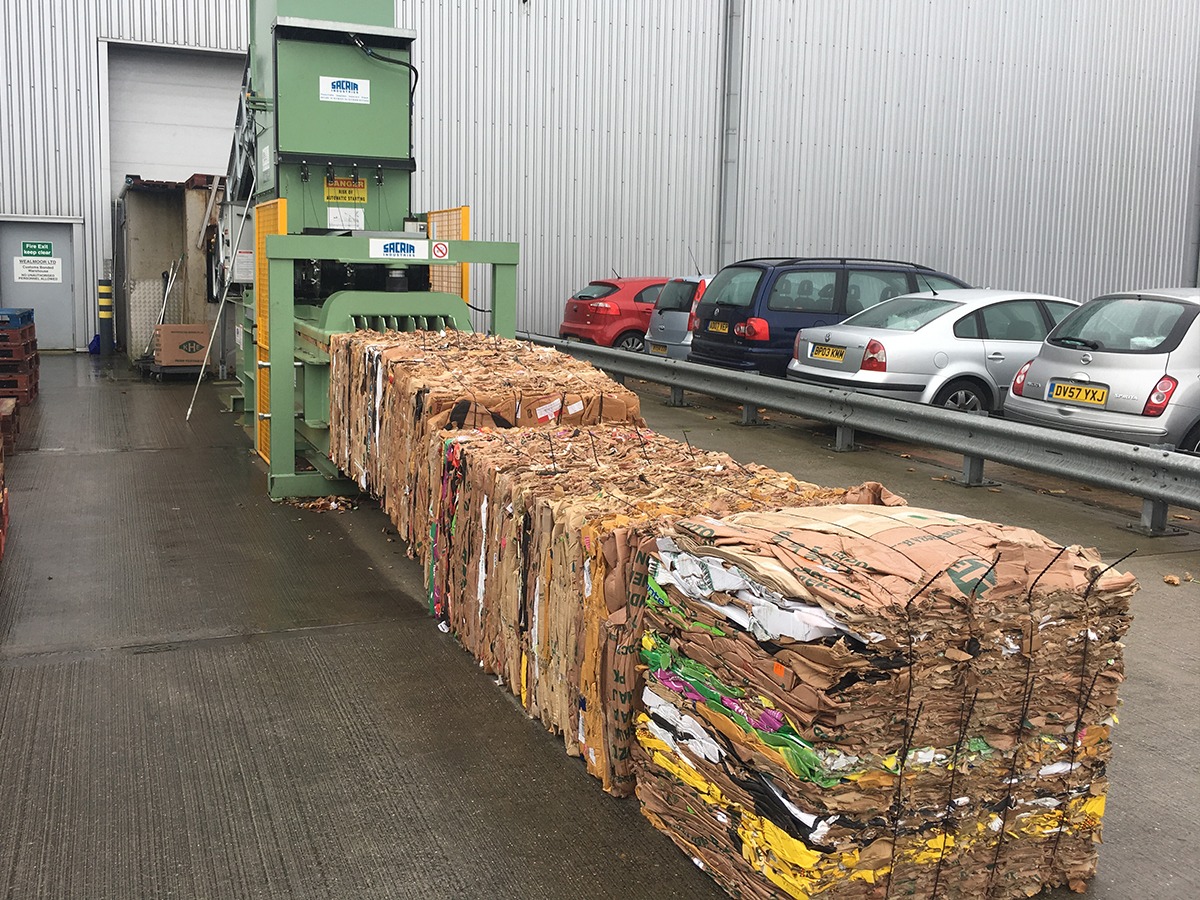
In commercial waste management, accurately estimating bale weight is not just a task but a crucial responsibility for efficient handling and recycling. This understanding is the cornerstone of planning transportation, storage, and processing, whether you’re dealing with cardboard, plastics, or other materials. This article delves into the factors affecting the waste weight estimation of bales. It provides insights on recycling bale weight for commercial purposes, emphasizing the pivotal role of each individual in this process.
Factors Affecting Bale Weight
Several factors influence the weight of a bale:
- Material Type: The choice of materials is not just a matter of preference but a significant factor in waste management. Different materials have varying densities, which directly impacts the bales’ weight. For instance, cardboard bales are generally lighter than bales made of plastics or metals, underscoring the need for careful consideration in your work.
- Compression Level: The compression level applied during the baling process significantly affects the bale weight. Higher compression leads to denser and heavier bales.
- Moisture Content: Moisture can add substantial weight to a bale. For instance, a wet cardboard bale can weigh significantly more than a dry one, affecting transportation and storage. Ensuring materials are dry before baling can provide a more accurate estimation of waste weight and prevent unnecessary costs and inefficiencies.
- Bale Size: Standard bale sizes can vary, but common dimensions include 60cm x 60cm x 120cm. The size directly impacts the weight, with more giant bales typically heavier.
Typical Weights of Common Bales
- Cardboard Recycling Bale: A standard cardboard recycling bale weighs between 300 and 500 kg. The weight can vary depending on the compression level and the cardboard type.
- Plastic Recycling Bale: These bales can weigh between 400 to 600 kg. The type of plastic and the presence of contaminants can affect the overall weight.
- Metal Recycling Bale: Metal bales are significantly heavier, ranging from 600 to 1,000 kg, depending on the type and density of the metal.
Estimating Bale Weight
Accurate waste weight estimation is crucial for logistical planning and cost management. Here are some tips for estimating the weight of a waste bale:
- Use a Standard Formula: Many balers use a formula or chart to estimate the weight based on material type and bale dimensions.
- Conduct Regular Weigh-Ins: Waste management is not a one-time task but a continuous process that requires regular monitoring and adjustment. Periodically weigh bales to maintain accurate records and adjust your estimates, ensuring that your work is always up to date and in line with the changing conditions.
- Consider Material Density: Familiarize yourself with the density of different materials to make more precise estimates.
- Account for Variability: Be mindful of factors such as moisture content and contamination, which can alter the weight. For instance, if you’re dealing with plastic bales, consider the type of plastic and the presence of contaminants. Regularly inspect and test your materials to ensure accurate weight estimation.
Commercial vs. Residential Bale Weight
Commercial bales are typically heavier than residential bales due to higher volumes and more efficient compression machinery. For example, a commercial waste bale weight for cardboard might be around 500 kg, while a residential bale could weigh significantly less due to lower compression and smaller size. This difference in weight is essential to consider when planning transportation, storage, and processing.
Importance of Bale Weight in Recycling
Understanding how much a standard recycling bale weighs is vital for various reasons:
- Transportation: Accurate weight estimates help plan transportation, ensuring that vehicles are not overloaded and comply with legal weight limits.
- Storage: Knowing the recycling bale weight aids in optimizing storage space and avoiding overloading storage areas.
- Processing Efficiency: Proper weight estimation can enhance processing efficiency at recycling facilities, allowing for better planning and resource allocation.
Conclusion
In commercial waste management, knowing how much weight a cardboard recycling bale can hold and accurately estimating the weight of various waste bales is essential. Businesses can improve their waste handling processes by considering material type, compression level, and other factors, ensuring more efficient recycling and waste management. Always strive to use accurate weight estimation methods and regularly update your knowledge to adapt to any changes in materials or processes.