
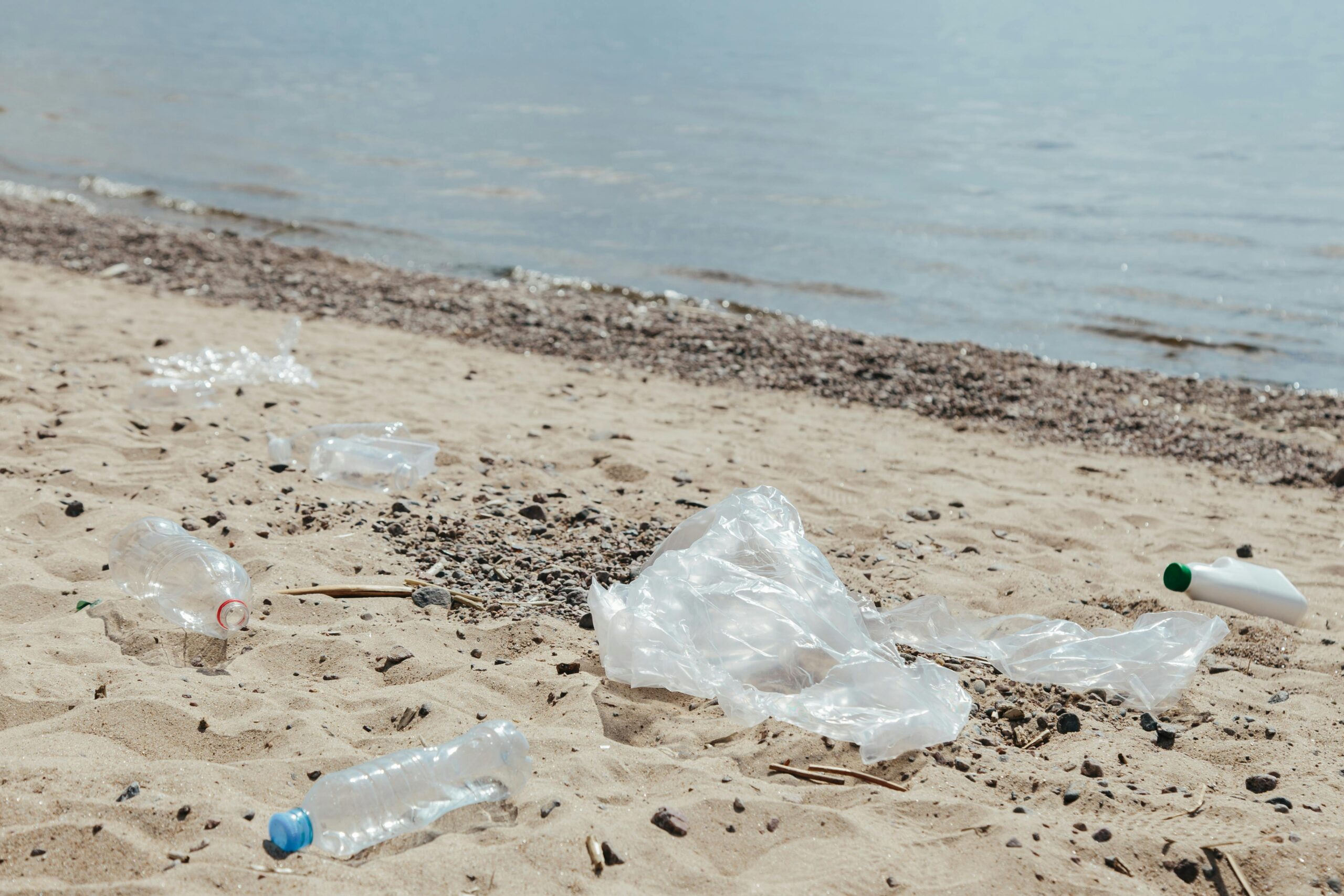
In a significant move towards sustainability, the single-use plastic ban is in force, aiming to reduce the environmental impact of plastic waste. This ban affects a wide range of products, including straws, cutlery, plates, and certain types of packaging. As businesses and individuals adjust to this new regulation, it’s crucial to understand how to manage the transition effectively.
Understanding the Single-Use Plastic Ban
The single-use plastic ban is a legislative effort to reduce the amount of plastic waste that ends up in landfills and oceans. Single-use plastics are used once and discarded, contributing significantly to environmental pollution. The ban encourages the adoption of sustainable alternatives to plastic and promotes a shift towards a more eco-friendly lifestyle.
Sustainable Alternatives to Plastic
Transitioning away from single-use plastics involves finding sustainable alternatives to plastic that are both practical and environmentally friendly. Here are some options:
- Reusable bags: Instead of plastic bags, use cloth or jute bags that you can wash and reuse multiple times.
- Stainless steel or bamboo cutlery: These materials are durable and can replace plastic utensils.
- Glass or stainless steel bottles: Opt for reusable bottles instead of plastic ones for beverages.
- Beeswax wraps: These can replace plastic cling film for food storage and are biodegradable.
Zero-Waste Living Tips
Adopting a zero-waste lifestyle can help you comply with the single-use plastic ban and reduce your environmental footprint. Here are some zero-waste living tips to get you started:
- Plan your shopping: Bring your bags, containers, and produce bags to the store.
- Buy in bulk: Purchase food and household items to reduce packaging waste.
- DIY cleaning products: Make your cleaning products using natural ingredients like vinegar and baking soda to avoid plastic packaging.
- Compost: Set up a compost bin for organic waste to reduce landfill contributions.
Waste Management at Home
Effective waste management at home is essential for reducing plastic waste and adhering to the single-use plastic ban. Here are some strategies:
- Segregate waste: Separate recyclables, compostables, and general waste to ensure proper disposal
- Recycle correctly: Familiarise yourself with local recycling guidelines to ensure you recycle items correctly.
- Reduce packaging waste: Opt for products with minimal or recyclable packaging.
Eco-Friendly Products
Switching to eco-friendly products is a practical way to reduce your reliance on single-use plastics. Consider the following:
- Biodegradable utensils: Made from materials like cornstarch or potato starch, these utensils break down naturally.
- Eco-friendly cleaning supplies: Choose products with recyclable packaging and non-toxic ingredients.
- Reusable straws: Metal, silicone, or bamboo straws can replace plastic straws.
Single-Use Plastic Ban in London
The single-use plastic ban London has specific regulations and guidelines for businesses and individuals. It’s essential to stay informed about local laws and compliance requirements. London’s initiative is part of a broader effort to create a more sustainable city, and businesses are encouraged to lead by example.
How to Find Reusable Alternatives to Single-Use Plastics
Finding reusable alternatives to single-use plastics can be straightforward with some research. Here are some tips:
- Research online: Many websites and online stores specialise in sustainable products.
- Visit eco-friendly stores: Look for stores focusing on zero-waste and sustainable living.
- Join community groups: Local groups and forums can provide recommendations and support for transitioning to reusable alternatives.
Best Zero-Waste Products for the Kitchen
The kitchen is a significant source of plastic waste. Here are some of the best zero-waste products for the kitchen:
- Reusable produce bags: These can replace plastic bags for fruits and vegetables.
- Silicone food storage bags: A durable alternative to plastic zip-lock bags.
- Stainless steel or glass containers: Perfect for storing leftovers without plastic.
Easy Tips to Reduce Plastic Waste at Home
Reducing plastic waste at home can be simple with these easy tips to reduce plastic waste at home:
- Avoid single-use plastics: Choose reusable items whenever possible.
- Buy second-hand: Purchase second-hand items to reduce demand for new plastic products.
- Repair and reuse: Fix broken items instead of replacing them.
Eco-Friendly Alternatives for Everyday Items
Incorporating eco-friendly alternatives for everyday items can make a significant difference. Consider these swaps:
- Cloth napkins: Replace paper napkins with reusable cloth ones.
- Reusable coffee cups: Bring your cups to coffee shops to avoid disposable ones.
- Natural fibre sponges: Use biodegradable sponges instead of plastic ones.
What to Do with Banned Single-Use Plastics
Understanding what to do with banned single-use plastics is crucial for compliance and environmental responsibility. Here are some steps:
- Proper disposal: Follow local guidelines for disposing of prohibited plastics.
- Recycling programs: Participate in recycling programs that accept hard-to-recycle plastics.
- Creative reuse: Repurpose single-use plastics for other uses around the house.
Conclusion
The single-use plastic ban marks a significant step towards a more sustainable future. By adopting sustainable alternatives to plastic, following zero-waste living tips, and embracing eco-friendly products, we can all contribute to reducing plastic waste. Effective waste management at home and staying informed about local regulations, such as the single-use plastic ban London, are essential for compliance and environmental stewardship. Finding reusable alternatives to single-use plastics and making small changes in our daily lives can significantly impact the planet. Embrace these easy tips to reduce plastic waste at home and explore eco-friendly alternatives for everyday items to support a zero-waste lifestyle.