
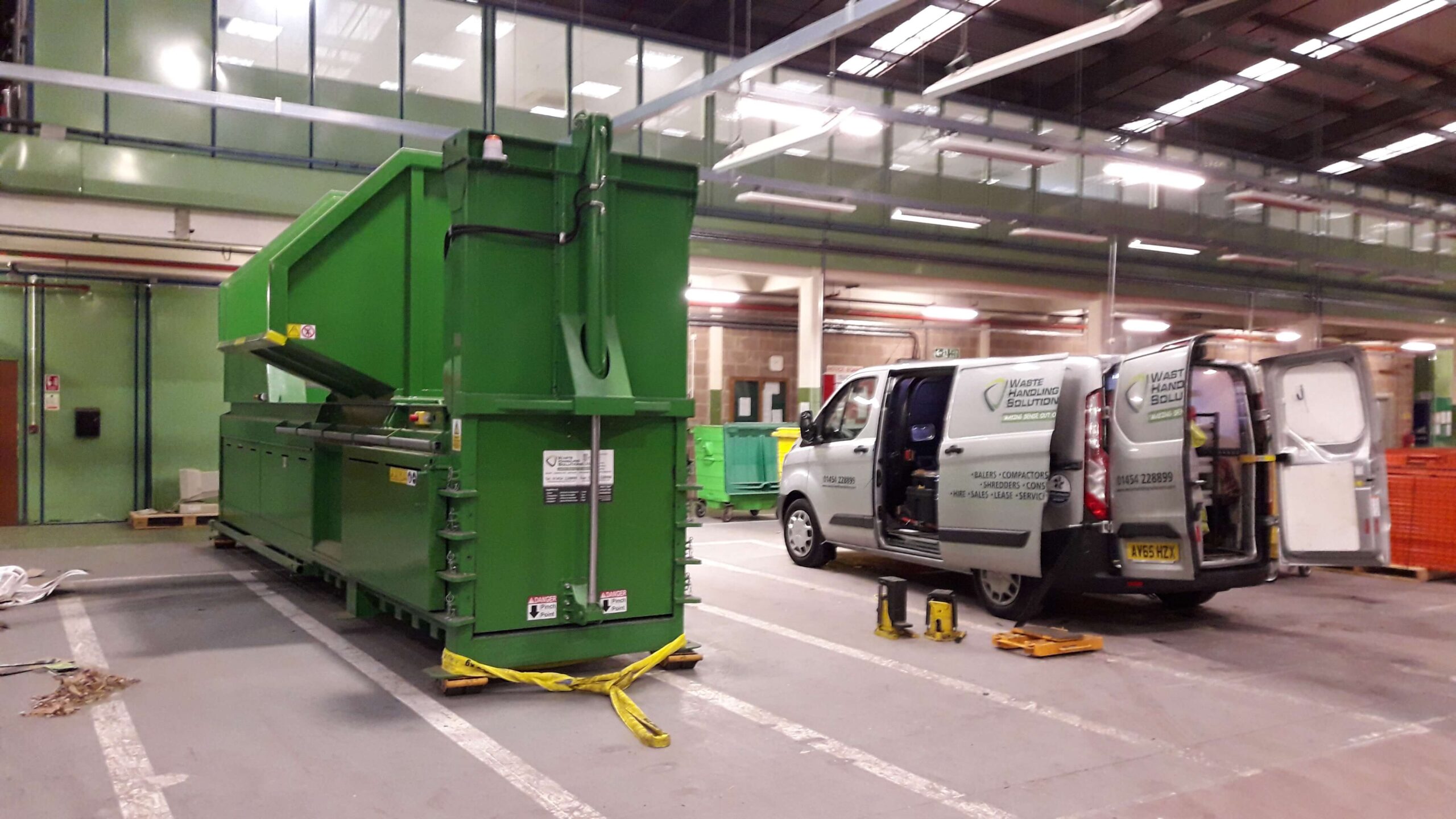
With the world facing an escalating waste crisis, the need for influential waste management trends has never been more urgent. Commercial sectors, in particular, are under mounting pressure to adopt more sustainable practices. At the heart of this transformation are the evolving trends in compactor and baler technology, which hold the potential to revolutionise the future of waste reduction.
The Evolution of Compactor Technology
Compactor technology trends have significantly evolved over the past decade. Modern compactors are efficient, user-friendly, and environmentally friendly. Key innovations in this field include:
- Automated Systems: The integration of automation in waste compactors has led to substantial improvements in operational efficiency. Automated compactors can handle larger volumes of waste with minimal human intervention, reducing labour costs and increasing productivity.
- Smart Technology: Incorporating smart technology in compactors allows real-time monitoring and control. Sensors can detect the fill level of the compactor and alert operators when the unit is ready to be emptied. This ensures optimal usage and prevents overflow, contributing to more efficient waste management.
- Energy Efficiency: Newer models of compactors consume less energy, reducing waste management operations’ carbon footprint. Features such as energy-efficient motors and the ability to operate on renewable energy sources are becoming increasingly common.
- Improved Safety Features: Modern compactors feature advanced safety mechanisms to protect operators. These include automatic shut-off systems, emergency stop buttons, and better-designed loading mechanisms to prevent accidents.
Advances in Baler Technology
Similarly, baler technology trends have seen remarkable advancements to improve waste processing efficiency and sustainability. Some of the notable trends include:
- Enhanced Compression Ratios: Modern balers can achieve higher compression ratios, which means they can compact waste into denser bales. This reduces the volume of waste and minimises transportation costs and the environmental impact of waste disposal.
- Multi-Material Balers: Advances in baler technology have led to the development of machines that can handle a variety of materials, from cardboard and paper to plastics and metals. This versatility makes it easier for businesses to manage different types of waste streams with a single piece of equipment.
- Automated Tying Systems: Automated tying systems in balers streamline the process of securing bales, ensuring they are compact and stable for transportation and storage. This automation reduces the need for manual labour and increases the efficiency of the baling process.
- Durability and Maintenance: Modern balers are more durable and require less maintenance. Innovations in materials and design mean that these machines have longer lifespans and lower downtime, which is critical for businesses looking to maintain continuous waste management operations.
The Role of Sustainable Solutions in Waste Management
The push for sustainable waste management solutions drives much of the innovation in compactor and baler technology and offers significant cost savings. As businesses seek to reduce their environmental impact, adopting these advanced machines is crucial in achieving sustainability goals. It can reduce waste disposal costs and potential revenue from recycled materials. Some of the critical sustainable practices include:
- Reduction in Waste Volume: By compacting and baling waste more efficiently, businesses can significantly reduce the volume of waste sent to landfills. This helps conserve landfill space and reduces the greenhouse gas emissions associated with waste decomposition.
- Recycling and Reuse: Advanced balers and compactors facilitate the separation and processing of recyclable materials. This supports the circular economy by ensuring that valuable resources are recovered and reused rather than discarded.
- Lower Transportation Emissions: Efficient compacting and baling reduce the trips required to transport waste, lowering fuel consumption and associated emissions. This is particularly important for businesses with large-scale waste management needs.
- Energy-Efficient Operations: The latest compactor and baler models have minimal energy consumption. Businesses can reduce their carbon footprint by integrating renewable energy sources and improving energy efficiency.
The Future of Waste Management
Looking ahead, ongoing technological advancements and a growing emphasis on sustainability will shape the future of waste management. As key stakeholders, businesses will play an integral and empowering role in these developments, particularly in adopting new technologies and sustainable practices.
- Integration with IoT and AI: Integrating the Internet of Things (IoT) and Artificial Intelligence (AI) in waste management equipment will enable smarter, more responsive systems. These technologies can optimise waste processing operations, predict maintenance needs, and improve efficiency.
- Greater Adoption of Renewable Energy: As the push for sustainability continues, more waste management operations will likely adopt renewable energy sources. Solar-powered compactors and balers are already in development, and their widespread use could further reduce the environmental impact of waste management.
- Circular Economy Practices: The future of waste management will increasingly focus on the principles of the circular economy. This involves recycling, reusing materials, and designing products and processes that minimise waste generation
- . The circular economy reduces the environmental impact of waste and creates economic opportunities by recovering valuable resources from waste streams.
- Effective waste management will require collaboration between businesses, governments, and technology providers. Governments play a crucial role in waste management by setting regulations, providing incentives for sustainable practices, and investing in research and development. By working together, these stakeholders can develop and implement solutions that holistically address the complex challenges of waste management, emphasising the necessity of collective action.
Conclusion
The latest compactor and baler technology trends are not just about efficiency and cost-effectiveness but also about making a significant environmental impact. By embracing these innovations, businesses can play a crucial role in reducing their ecological footprint and contributing to a more sustainable future. As technology continues to evolve, the potential for further advancements in compactor and baler technology remains vast, promising an exciting and transformative future for waste management.